

If you’re selling a damaged or run-down home in Christchurch, you’ve probably noticed there’s more than one company offering to buy As Is Where Is. On the surface, they can all sound the same: quick sale, no repairs, no agent fees.
But the details matter. Some of the people who sell to us tell us they shopped around first. They found that some offers looked good at the start, then dropped once the buyer had a “second look”, or came with conditions nobody mentioned up front.
Selling your home is a big decision, so it’s worth asking the right questions before you sign anything. Here are the ones we’d ask if we were in your shoes.
1. Is the offer unconditional?
This is the most important question on the list. A conditional offer means the buyer can still pull out or change the price if something comes up, like a builder’s report, an engineer’s check or their finance.
An unconditional offer means that once you accept, the deal is done. Ask the buyer to put it in writing.
2. Could the price change after I accept?
Some buyers make a strong first offer to win the deal, then lower it later once they’ve “found more problems”. By then, you may have stopped talking to other buyers, started planning your move, or even put an offer on another home.
Ask directly: is the price you’re offering the price I’ll actually receive? At My New Start, it is. We do our homework at the first visit so there are no surprises later.
3. How did you work out the price?
A good buyer should be able to explain their offer in plain language. As Is Where Is buyers generally work back from what the home would be worth once it’s repaired, then take off the cost of the work needed to get it there.
If a buyer can’t or won’t explain how they got to their number, that’s worth noting. You can read more in our post on how we value an As Is Where Is home.
4. Are there any fees or costs I’ll have to pay?
One of the main reasons people sell As Is Where Is is to avoid agent commission and marketing costs. Make sure there’s nothing hidden, like admin fees, “processing” costs or deductions at settlement.
You’ll still want your own lawyer or conveyancer to handle the legal side, so factor their fee in. But the buyer shouldn’t be adding costs of their own.
5. Do you need finance to buy my home?
If the buyer is relying on a bank loan, your sale could fall over for the same reasons it might with a regular buyer. Banks are often cautious about lending on damaged or uninsurable homes.
Ask whether they’re buying with their own funds and whether finance is a condition of the offer.
6. Who will I be dealing with?
Some companies pass you from a call centre to a valuer to a settlements team. That’s a lot of people to explain your situation to, and a lot of room for messages to get lost.
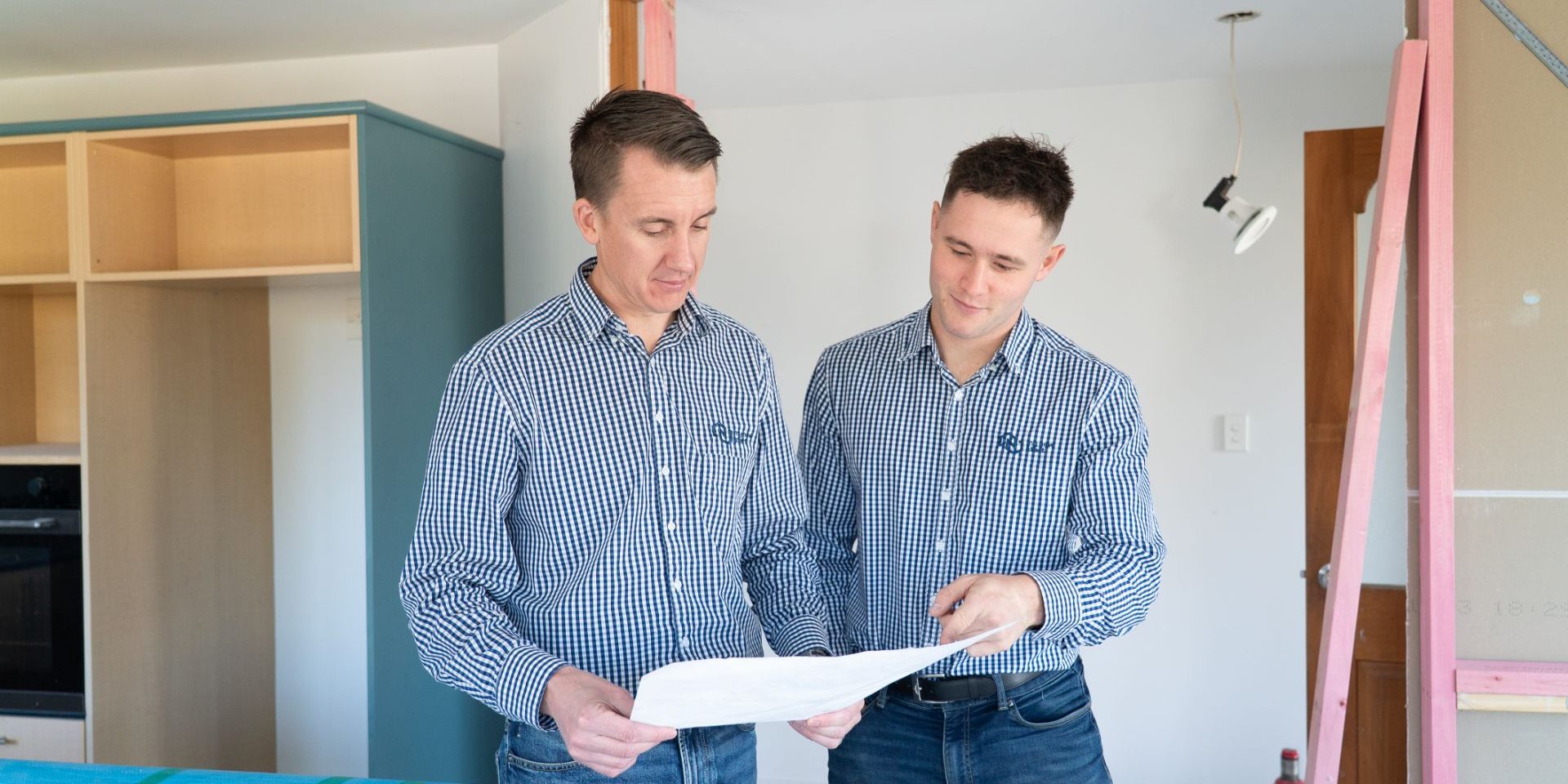
With My New Start, you deal with Kane or Ronan from the first phone call to settlement. The person who visits your home is the person who makes the offer and sees it through.
7. Can I choose my settlement date?
Many sellers need time to find their next home, sort out a family member’s belongings, or line up a move. Others want it done quickly.
A flexible buyer should let you pick the date that works for you, whether that’s a few weeks away or a few months.
8. Will you buy my home if my insurance or EQC claim isn’t sorted?
In Christchurch, lots of damaged homes still have open, partly settled or messy claims. Some have no insurance at all. Some had Fletchers or insurer repairs that were never finished properly.
Check that the buyer is comfortable with your situation before they visit, so you don’t waste time. We buy regardless of claim status, including homes with no insurance.
9. How many homes have you bought, and can I see reviews?
Track record matters. A buyer who has done this many times will have a clear process and won’t need to renegotiate halfway through.
My New Start has bought more than 450 earthquake-damaged and run-down homes across Canterbury. You can read what past sellers say on our testimonials page, and see some of the homes we’ve bought.
10. When will I get the deposit?
Once an offer is accepted, a deposit is usually paid. Ask when it will be paid and how much it will be. A buyer who pays promptly is a buyer you can trust to turn up on settlement day.
A few warning signs to look out for
Not every buyer works the same way. Be cautious if a buyer:
- gives you a number over the phone without seeing the house, then changes it after the visit
- puts pressure on you to sign the same day
- won’t put the offer in writing
- adds conditions late in the process
- can’t explain how they worked out the price
None of these automatically mean a bad deal, but they’re worth asking about before you commit.
Always get independent advice
Whoever you sell to, have your own lawyer or conveyancer look over the agreement before you sign. A good buyer will encourage this, not discourage it.
Ready to ask us these questions?
We’re happy to answer every one of them. Call us any time on 0800 697 827, or book a free assessment online. Kane or Ronan will come out, look over your home, and we can give you a written, unconditional offer within 24 hours. The price we offer is the price you receive.